For international patients seeking advanced skin treatments, the abundance of options can be overwhelming.
Unlike Western markets where aesthetic dermatology often operates separately from medical dermatology, Korean skin clinics typically integrate advanced laser technologies, prescription-grade treatments, and evidence-based skincare protocols under one roof. Understanding how to navigate this unique healthcare landscape is essential for achieving optimal results while minimizing risks associated with overseas medical care.
Essential Criteria for Evaluating Gangnam Skin Clinics
Language Capabilities and International Patient Infrastructure
Effective medical communication is non-negotiable for patient safety and satisfaction. Premier Gangnam skin clinics serving international patients employ dedicated English-speaking coordinators who facilitate everything from initial consultations to post-treatment follow-up. However, the critical factor is whether your treating physician can directly communicate medical information in English, rather than relying solely on translator intermediaries.
Evaluate the clinic’s international patient infrastructure by examining their consultation process. Do they offer video consultations before arrival? Can they provide treatment plans and consent forms in English? Do they have established protocols for managing complications when patients have returned to their home countries?
Technology and Equipment Standards
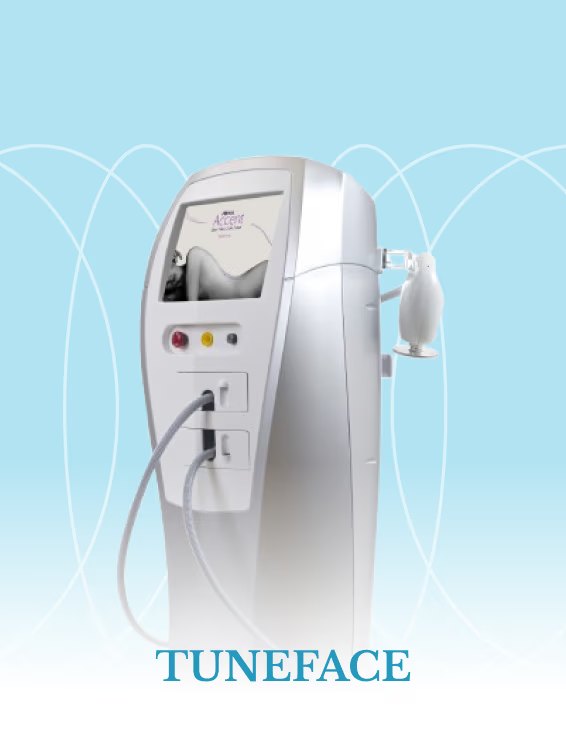
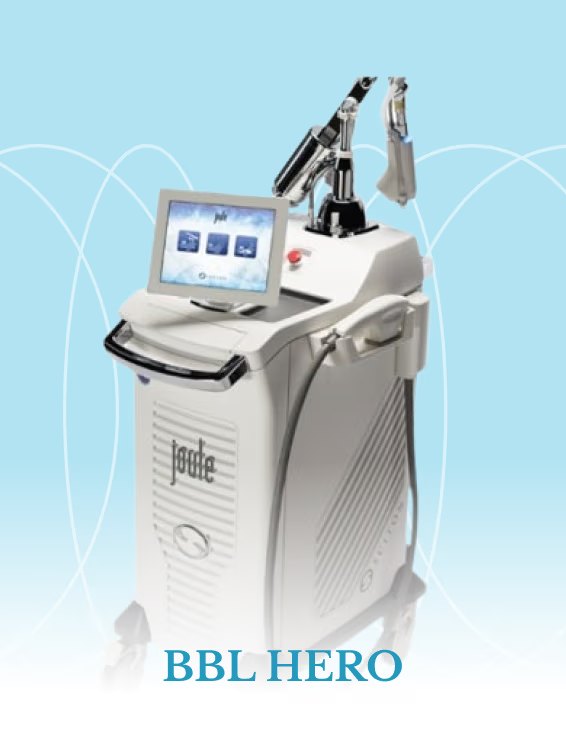
Gangnam’s leading skin clinics invest heavily in FDA-approved and Korean MFDS-cleared devices.
Beyond equipment ownership, investigate maintenance and safety protocols.
Safety Protocols and Risk Management
Pre-Treatment Assessment Standards
Comprehensive skin clinics conduct thorough medical histories and skin analyses before recommending treatments. This should include questions about medications (particularly isotretinoin, which contraindicates many laser procedures), previous cosmetic procedures, skin sensitivity, and healing history. For laser treatments on patients with darker skin tones (Fitzpatrick IV-VI), test spots on inconspicuous areas are essential to assess reaction before treating visible areas.
Emergency Protocols and Complication Management
Even properly performed procedures can result in unexpected reactions. Evaluate whether the clinic has on-site protocols for managing complications like allergic reactions, excessive swelling, or burns. Do they have emergency medications available? Are they located near a hospital with emergency services? What are their after-hours contact procedures if problems develop post-treatment?
For international patients, complication management becomes more complex once you’ve returned home. Leading clinics establish telemedicine follow-up protocols and partner with doctors in major cities abroad to provide continuity of care if issues arise. Request this information before treatment and obtain written protocols detailing warning signs and emergency contacts.
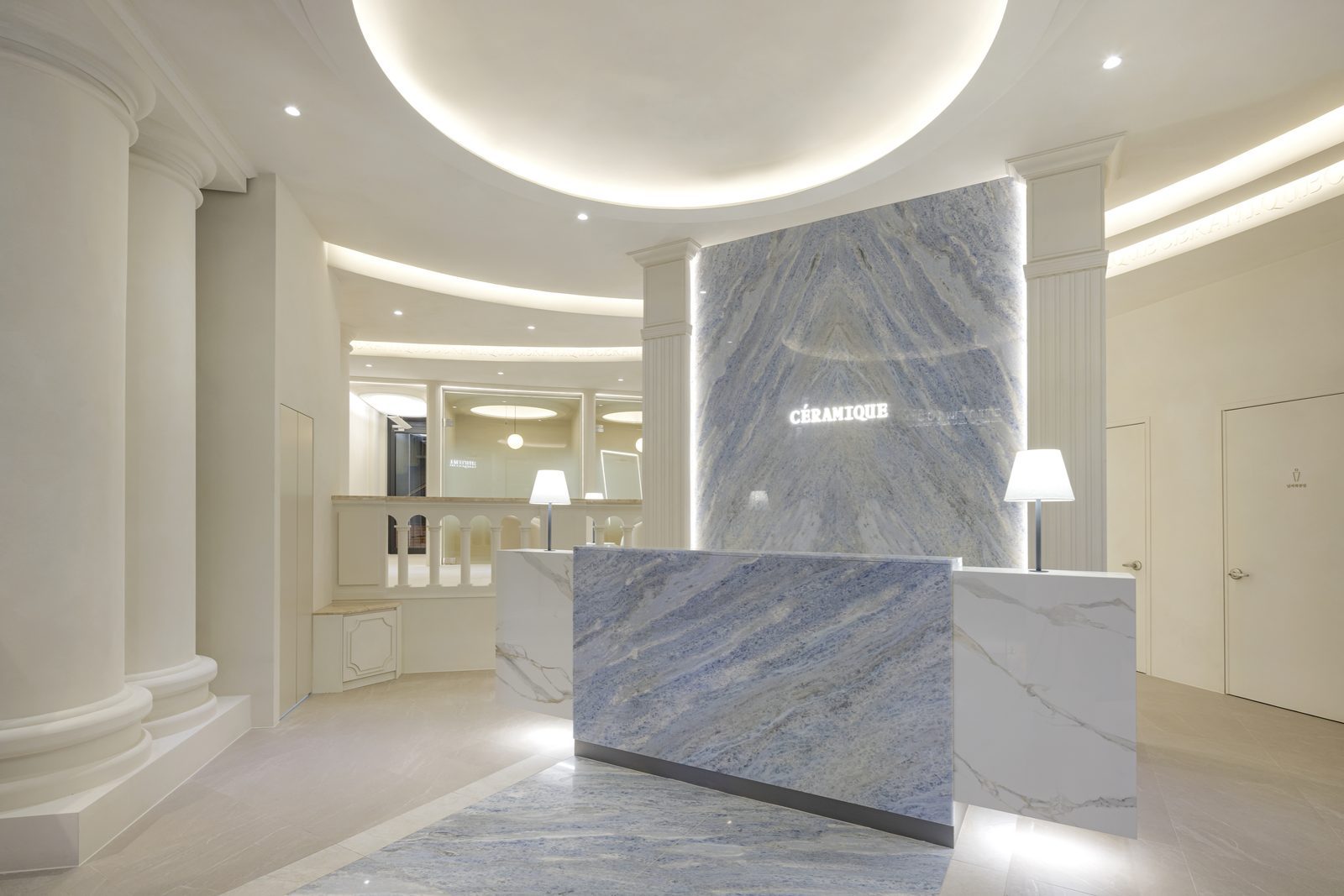
Read aboutTune Face at CÉRAMIQUE Gangnam
Navigating Gangnam’s Medical District Geography
Apgujeong and Cheongdam: Premium Clinic Clusters
The Apgujeong and Cheongdam neighborhoods, particularly along Apgujeong Rodeo Street and the areas near Cheongdam Station (Line 7), host the highest concentration of premium skin clinics. These areas feature many of Seoul’s most established dermatology practices, often housed in dedicated medical buildings with multiple specialty clinics. The advantages include proximity to luxury hotels, easy access via subway, and neighborhoods designed with medical tourists in mind.
For patients prioritizing physician expertise over location prestige, exploring clinics slightly outside the main medical tourism corridors can provide excellent value.
Accessibility and Accommodation Considerations
When selecting a clinic, consider your accommodation logistics. The Gangnam area is well-served by subway lines 2, 3, 7, and 9, with most major clinics within 5-10 minutes walking from stations. Some high-end clinics offer shuttle services from major hotels or provide recovery rooms where patients can rest immediately post-treatment before traveling.
For procedures requiring significant downtime (deep chemical peels, ablative laser resurfacing), staying within walking distance of your clinic is advisable. Several medical hotels in Gangnam specifically cater to recovery needs with blackout curtains, air purifiers, and restricted public areas where patients can move about without self-consciousness about their appearance.
Booking Process and Pre-Arrival Preparation
Initial Consultation Options
Video consultations also allow you to evaluate the doctor’s English proficiency and communication style before committing to travel.
Some clinics offer free email consultations, though these are typically handled by coordinators rather than physicians and provide only general information. For complex concerns or expensive treatment packages, insist on direct physician consultation, even if a fee applies. This also establishes a doctor-patient relationship and provides recourse if issues arise later.
Documentation and Medical Records
Bring comprehensive medical records, particularly for chronic skin conditions like eczema, psoriasis, or rosacea. Photographs documenting your skin’s baseline condition are valuable, as are lists of previous treatments, medications, and skincare products. If you’ve had adverse reactions to previous cosmetic procedures, detailed documentation helps your Korea doctor avoid similar complications.
For prescription treatments like isotretinoin or hydroquinone, Korean doctors may require waiting periods before performing certain laser procedures. Disclosing your complete medication list (including supplements) during consultation prevents delays and ensures treatment safety. Reputable clinics maintain detailed records and provide you with copies of all treatment notes, before/after photographs, and post-care instructions in English.
Read aboutSkin Treatments in Gangnam: An Overview
Post-Treatment Care and Follow-Up Protocols
Recovery Timelines and Downtime Planning
Different procedures require vastly different recovery periods, impacting your travel planning. Non-ablative laser treatments like picosecond lasers for pigmentation typically involve minimal downtime (1-3 days of mild redness), while fractional CO2 laser resurfacing may require 7-10 days before presentable skin recovery. When booking treatments, factor in both social downtime (when you prefer not to be seen publicly) and actual functional limitations.
Korean clinics typically provide detailed day-by-day recovery timelines, but these are based on average healing in Asian skin types. Individual variation is significant—some patients heal faster or slower based on age, skin condition, and adherence to post-care protocols. Build buffer time into your travel plans rather than scheduling important events immediately after returning home.
Long-Term Maintenance and Product Recommendations
Optimal results from most skin procedures require proper home care and often multiple treatment sessions. Your clinic should provide specific product recommendations, including cleansers, moisturizers, and sun protection formulated for post-treatment skin. Korean doctors typically recommend medical-grade skincare lines with active ingredients at therapeutic concentrations, which may differ from over-the-counter products available in your home country.
Discuss maintenance treatment schedules before leaving Korea. For conditions like melasma or acne scarring, initial improvement may require 3-5 sessions over several months, followed by maintenance treatments every 6-12 months. Understanding the long-term protocol helps you plan return visits or identify qualified doctors at home who can continue your care using similar approaches.
Frequently Asked Questions
Do I need to speak Korean to receive treatment at Gangnam skin clinics?
No, leading Gangnam skin clinics serving international patients employ English-speaking coordinators and often have English-proficient physicians. However, English capability varies significantly among clinics. Before booking, conduct a video consultation or phone call to assess communication quality. Some clinics also offer services in Chinese, Japanese, Russian, and Arabic. For complex medical discussions, clinics should provide professional medical interpreters rather than relying solely on administrative staff translations.
What’s the best time of year to visit Gangnam for skin treatments?
Fall (September-November) and spring (March-May) offer the most comfortable conditions for post-treatment recovery, with moderate temperatures and lower UV intensity. Summer’s intense sun and humidity can complicate healing from laser procedures and increase hyperpigmentation risk, while winter’s dry air may exacerbate skin sensitivity. However, treatment timing depends more on your specific procedure—some patients prefer winter for ablative treatments since they can more easily avoid sun exposure. Discuss seasonal considerations with your doctor based on your planned procedures.
Can I combine multiple treatments during one visit to Korea?
Many patients combine complementary treatments, but sequencing and timing are critical. Certain combinations are safe when properly spaced (laser treatments followed by chemical peels after appropriate intervals), while others may increase complication risks. A comprehensive consultation should result in a treatment timeline that maximizes your trip while maintaining safety. Avoid clinics that recommend combining incompatible treatments without adequate safety intervals.
What happens if complications develop after I return home?
Established international patient programs include telemedicine follow-up protocols, typically offering video consultations during your recovery period at no additional charge. For significant complications, some clinics maintain referral networks with doctors in major international cities who can provide in-person evaluation and treatment if needed. Before your procedure, obtain detailed written instructions on warning signs, emergency contacts, and the clinic’s after-hours communication protocols. Document all treatments with photographs and written records for continuity of care with your home country doctor if needed.
Are Gangnam skin clinic results really better than treatments available in Western countries?
Korean doctors have extensive experience treating Asian skin types and have developed refined protocols for conditions like melasma and pigmentation that can be challenging to treat. Top-tier doctors exist globally—Korea’s advantage lies in concentration of expertise, competitive pricing, and integration of advanced technologies with medical-grade skincare protocols.
How far in advance should I book my Gangnam skin clinic appointment?
Popular doctors, especially those featured in media or known for specific specialties, may require booking 4-8 weeks in advance. However, many excellent clinics can accommodate appointments within 1-2 weeks. For optimal planning, initiate contact 6-8 weeks before your intended travel dates, schedule a video consultation 4-6 weeks out, then confirm your treatment plan and book in-person appointments 2-3 weeks before arrival. This timeline allows proper preparation, including discontinuing certain medications if required and arranging your travel schedule around treatment and recovery needs.
Should I bring my own skincare products or buy them in Korea?
Your Korea doctor will likely recommend specific post-treatment products optimized for your procedure and skin type, which may include medical-grade formulations not available outside Korea. These products are typically worth purchasing, as they’re specifically chosen to support your treatment outcomes. However, bring your current skincare routine to your consultation—your doctor needs to know what you’re using and may incorporate familiar products into your post-treatment protocol. Korean dermatology-grade skincare often provides excellent value, with advanced formulations at lower prices than comparable Western medical skincare brands.
Do Gangnam clinics offer any guarantees on treatment results?
Reputable clinics do not guarantee specific outcomes, as individual responses to skin treatments vary based on skin type, age, condition severity, and adherence to post-care protocols. However, established clinics often offer complimentary adjustment treatments if initial results fall significantly below expected outcomes, provided you’ve followed post-care instructions. Be wary of clinics making specific outcome guarantees, as this suggests unrealistic marketing rather than evidence-based practice. Instead, look for clinics that use objective measurement tools, provide realistic expectations based on clinical data, and demonstrate outcomes through properly documented before/after photographs.
Is it safe to have laser treatments if I have darker skin?
Korean doctors have extensive experience treating Asian skin types (Fitzpatrick III-IV) and understand the hyperpigmentation risks associated with darker skin tones. However, if you have Fitzpatrick V-VI skin, specifically verify your physician’s experience with your skin type and request test spots before full-face treatments. Certain laser technologies (picosecond lasers, Nd:YAG lasers) are safer for darker skin than others (IPL, some ablative lasers). A qualified doctor will conduct patch testing, adjust laser parameters appropriately, and may recommend more conservative, staged treatment approaches to minimize post-inflammatory hyperpigmentation risk.
Can I get prescription skincare products to take home from Gangnam clinics?
Yes, Korean doctors can prescribe medical-grade products including tretinoin, hydroquinone, and other prescription-strength formulations. However, customs regulations in your home country may restrict importing certain medications. Most patients purchase 1-3 months’ supply legally within personal-use limits, then work with their home country doctor to continue prescriptions if needed. Some Korean clinics offer international shipping for skincare products (though not prescription medications), allowing you to reorder proven effective products after returning home.