What distinguishes Gangnam skin clinics from their international counterparts is the integration of medical-grade treatments with precision technology. The typical Gangnam doctor has performed thousands more procedures than their Western counterparts due to higher patient volume, translating to refined technique and predictable outcomes. This comprehensive guide examines the most sought-after treatments, helping international patients make informed decisions about skin procedures in Seoul’s premier medical district.
Understanding Gangnam’s Skin Treatment Landscape
Why International Patients Choose Gangnam Clinics
Gangnam’s reputation stems from quantifiable advantages that extend beyond marketing claims. Most clinics serving international patients employ English-speaking coordinators and doctors who’ve completed fellowships at institutions like Harvard Medical School or the Mayo Clinic before returning to Seoul.
The Technological Advantage
Gangnam clinics frequently acquire FDA-approved devices 12-18 months before they become widely available in Western markets. Korean manufacturers like Lutronic and Classys develop equipment specifically for Asian skin types, which often proves equally effective for diverse ethnicities.
Most Popular Skin Treatments for International Patients
Laser Treatments and Pigmentation Correction
Picosecond laser technology represents the gold standard for treating pigmentation issues, including melasma, post-inflammatory hyperpigmentation, and age spots.
Fractional CO2 laser resurfacing addresses deeper concerns like acne scarring, wrinkles, and skin texture irregularities. Korean doctors have refined protocols that minimize downtime to 5-7 days while maintaining efficacy, crucial for international patients with limited vacation time. Gangnam clinics offer both ablative and non-ablative options, with experienced physicians tailoring depth and density based on individual skin assessment.
Advanced Acne and Scar Treatment
Subcision combined with fractional laser therapy has become the preferred approach for atrophic acne scarring in Gangnam clinics. This technique involves releasing fibrous bands beneath scars followed by laser stimulation to promote collagen remodeling. Gangnam doctors often incorporate platelet-rich plasma (PRP) injections or growth factor serums to enhance healing, protocols not yet standard in many Western practices.
For active acne, photodynamic therapy (PDT) with aminolevulinic acid offers superior results compared to traditional treatments. International patients appreciate that PDT requires minimal downtime and produces visible improvements within two weeks..
Anti-Aging and Skin Tightening Procedures
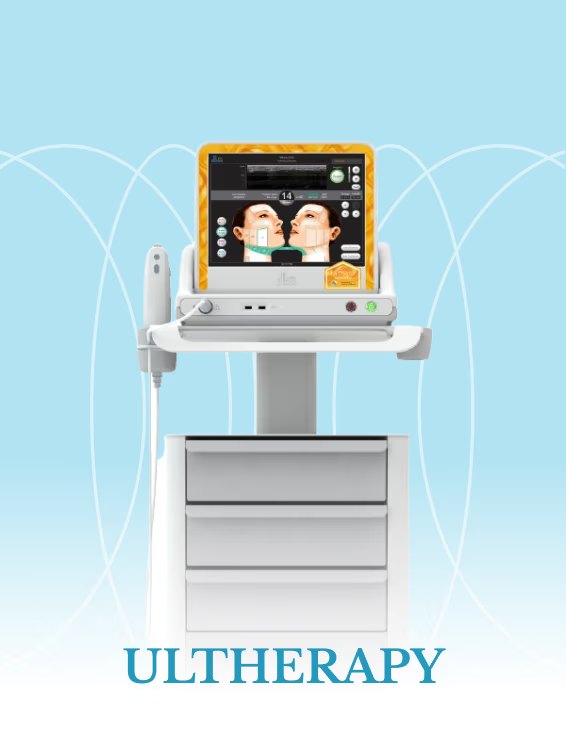
Ultherapy, the only FDA-approved non-invasive skin lifting treatment, has been refined to an art form in Gangnam clinics. Korean doctors typically use higher line densities and customized protocols that achieve more dramatic lifting effects than standard manufacturer guidelines.
Thermage FLX represents another popular option for skin tightening without surgery or downtime. The radiofrequency technology heats deep dermal layers, stimulating collagen contraction and new collagen formation.
Read aboutUltherapy Prime at CÉRAMIQUE Gangnam
Injectable Treatments and Dermal Fillers
Hyaluronic Acid Fillers and Facial Contouring
The Korean approach emphasizes natural enhancement and facial balance rather than dramatic transformation, aligning well with international patients seeking subtle improvements.
Botulinum Toxin Applications
Beyond standard wrinkle treatment, Gangnam clinics excel at advanced botulinum toxin applications including jawline slimming, gummy smile correction, and trapezius muscle reduction for shoulder contouring. Korean doctors use precise dosing protocols developed through extensive clinical experience, minimizing the frozen appearance common with inexperienced injectors.
Skin Rejuvenation and Complexion Enhancement
Glass Skin Treatments and Brightening Protocols
Aqua peels using hydrodermabrasion technology gently exfoliate while infusing skin with customized serums containing hyaluronic acid, peptides, and antioxidants.
Read aboutGangnam Dermatology Guide for International Patients
Treatment Planning for International Patients
Consultation and Assessment Process
Most Gangnam skin clinics offer virtual consultations for international patients, allowing preliminary assessment and treatment planning before arrival. Doctors evaluate skin concerns through high-resolution photographs and medical history questionnaires, then propose customized treatment protocols with cost estimates. Upon arrival in Seoul, patients undergo comprehensive skin analysis using diagnostic devices like VISIA Skin Analysis systems, which quantify concerns like pigmentation, pores, and wrinkles using standardized metrics. This data-driven approach ensures objective treatment planning and enables before-after comparisons.
Timing and Scheduling Considerations
International patients should plan 7-14 days in Seoul depending on selected treatments. Laser procedures requiring downtime should be scheduled early in the visit, allowing recovery before return travel. Injectable treatments and non-ablative procedures can be performed throughout the stay. The optimal seasons for laser treatments are autumn and winter when sun exposure is minimal, though Gangnam’s advanced laser technology and strict sun protection protocols make year-round treatment feasible.
Post-Treatment Care and Follow-Up
Recovery Protocols and Product Recommendations
Gangnam doctors provide detailed post-treatment protocols in English, including timeline-specific instructions for cleansing, moisturizing, and sun protection. Clinics often recommend Korean skincare products formulated to complement medical treatments, with ingredients like centella asiatica and madecassoside that accelerate healing. International patients receive sufficient post-care products to last through initial recovery, with recommendations for continued maintenance through reputable online retailers. Most clinics schedule follow-up appointments 3-7 days after major procedures to assess healing and address any concerns.
Long-Term Maintenance and Touch-Up Treatments
For sustainable results, doctors develop maintenance protocols tailored to each patient’s lifestyle and access to follow-up care. Injectable treatments typically require touch-ups every 6-12 months, which some patients schedule during return Seoul visits or arrange with local providers using Korean treatment protocols. Laser treatments for pigmentation may need annual maintenance sessions, particularly for patients with melasma or ongoing sun exposure. Clinics maintain patient records accessible for future visits and can coordinate with home doctors when necessary.
Selecting the Right Gangnam Skin Clinic
Communication and International Patient Services
Effective communication proves essential for optimal outcomes and patient satisfaction. Evaluate whether clinics provide English-speaking coordinators who facilitate all interactions, or whether you’ll communicate directly with bilingual physicians. Review online testimonials from international patients, particularly those from your country, to assess service quality and cultural competency. The availability of detailed treatment contracts in English protects both parties and demonstrates commitment to international patient care.
Technology and Facility Standards
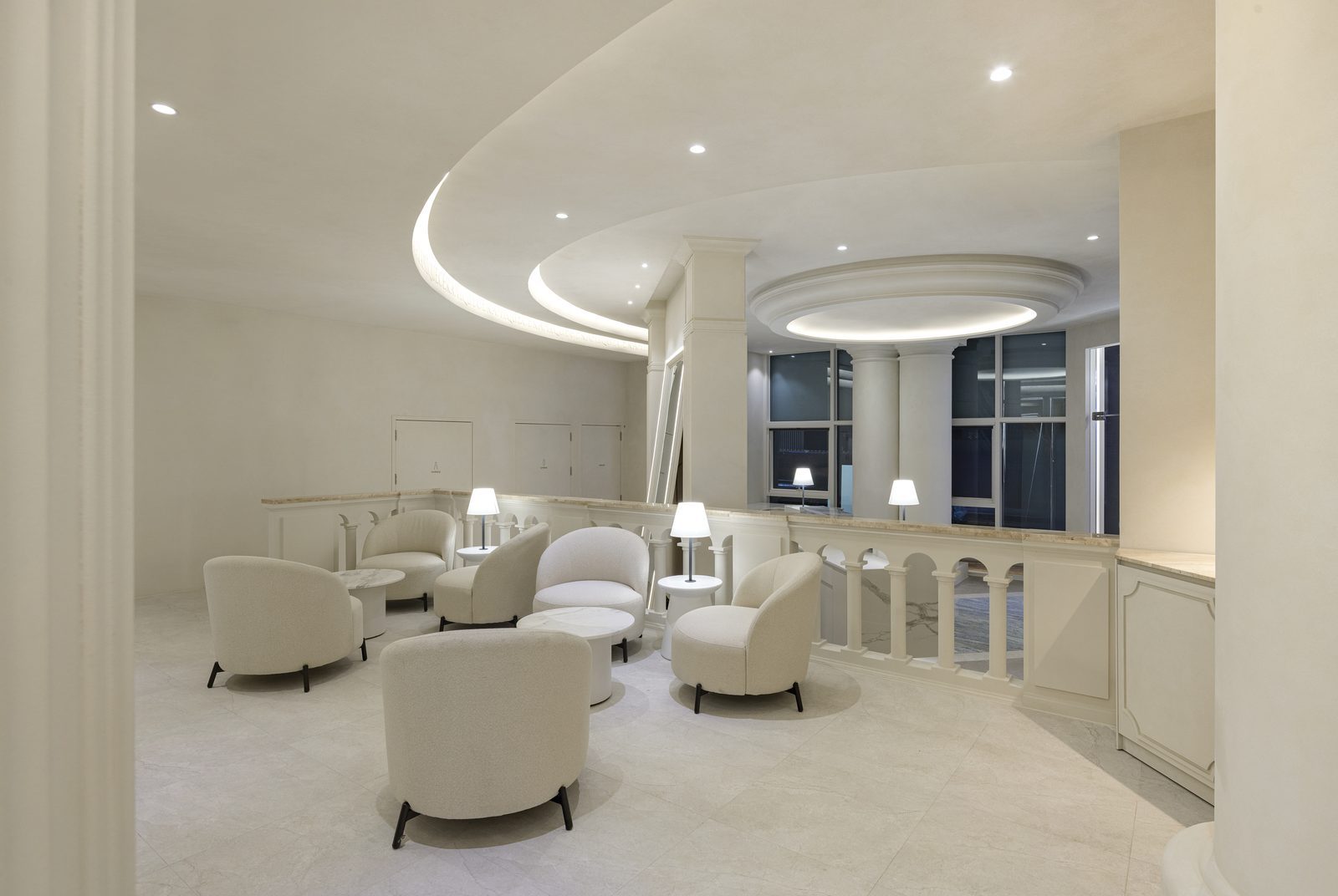
During initial consultation or facility tour, observe equipment age and maintenance, sterilization protocols, and overall cleanliness. Premium clinics invest in latest-generation devices and maintain multiple backup systems to ensure treatment availability. Ask about device settings and protocols used, as experienced practitioners should explain their approach in understandable terms. Facilities should separate consultation areas from treatment rooms, with private recovery spaces for post-procedure care..
Frequently Asked Questions
Do Gangnam doctors have experience treating non-Asian skin types?
Established Gangnam skin clinics serving international patients have extensive experience treating diverse skin types and ethnicities. Korean doctors receive training in Fitzpatrick skin type classification and adjust laser parameters, chemical peel formulations, and injectable techniques accordingly. Many practitioners have completed international fellowships or regularly attend conferences in the United States and Europe, ensuring familiarity with treatment considerations for different ethnic backgrounds. Request to see before-after photographs of patients with your skin type during consultation.
What visa requirements apply for medical tourism to Korea?
Korea offers a dedicated Medical Tourism Visa (C-3-3) for longer stays or complex procedures, though this is rarely necessary for skin treatments. Always verify current requirements through the Korean embassy in your country before booking travel.
Can I combine skin treatments with other cosmetic procedures during one visit?
Yes, many international patients schedule multiple procedure types during Seoul visits to maximize value and minimize travel. Doctors can safely combine certain treatments like laser procedures with injectable treatments or thread lifting, while others require spacing. During consultation, physicians develop comprehensive treatment timelines that optimize results while managing recovery periods. Some combinations offer synergistic benefits—for example, combining PRP with microneedling enhances collagen stimulation. Be candid about all desired procedures during initial consultation to enable proper planning.
What happens if I experience complications after returning home?
Reputable Gangnam clinics provide detailed complication management protocols and maintain contact with international patients through messaging apps or email. Minor concerns like prolonged redness or minor breakouts can often be managed through photo assessment and guidance from your treating doctor. For significant complications, clinics can coordinate with doctors in your home country, providing treatment records and protocols. Korean medical tourism insurance covers complication treatment costs when purchased before procedures. Most serious complications manifest within days to weeks when patients remain in Seoul.
How do I verify a clinic’s safety record and reputation?
Check MOHW registration through the Korean Medical Dispute Mediation and Arbitration Agency website, which maintains records of licensed facilities and physicians. Medical tourism facilitators like the Korea Health Industry Development Institute (KHIDI) maintain directories of verified clinics meeting international standards. Established clinics willingly provide credentials and patient references.
Are Korean skincare products necessary for maintaining treatment results?
While Korean skincare products are formulated to complement clinical treatments, they’re not mandatory for result maintenance. Doctors can recommend Western alternatives with equivalent active ingredients and formulations. That said, Korean products often offer superior value and innovative ingredients like snail mucin, fermented extracts, and peptide complexes at accessible prices. Many international patients purchase 6-12 months of recommended products before departure, as authentic Korean skincare costs significantly less in Seoul than through international retailers. Focus on products containing prescribed active ingredients rather than specific brands.
Can I get prescription medications for ongoing skin treatment in Korea?
Korean doctors can prescribe medications like tretinoin, hydroquinone, or oral isotretinoin, with prescriptions filled at local pharmacies for significantly less than Western prices. However, carrying prescription medications across international borders requires documentation. Request an English-language prescription and treatment letter from your doctor explaining medical necessity. Some medications legal in Korea may have import restrictions in your country. For ongoing prescriptions, some patients arrange periodic Seoul visits or work with local doctors using treatment protocols established by their Korean physician.
What’s the best time of year to visit Gangnam for skin treatments?
October through March offers optimal conditions for treatments requiring sun avoidance, with cooler temperatures and lower UV indexes. However, Gangnam clinics accommodate international patients year-round using strict sun protection protocols and advanced laser technologies that minimize photosensitivity risks. Avoid peak holiday periods like Lunar New Year (late January/February) and Chuseok (September/October) when many clinics close for 3-5 days. Book treatments at least 4-6 weeks in advance during spring and autumn when international patient volume peaks. Summer visits are feasible for non-laser treatments like injectables and skin boosters.
Do I need to speak Korean to receive treatment in Gangnam?
No, clinics catering to international patients provide English-speaking coordinators who facilitate all aspects of care from initial consultation through post-treatment follow-up. Many doctors trained abroad speak English fluently and conduct consultations without interpreters. However, learning basic Korean phrases enhances the experience and helps with navigation, dining, and shopping. Clinics located in areas like Apgujeong and Cheongdam specifically target international patients and maintain multilingual staff. Medical tourism facilitators offer comprehensive support including translation services, though most patients find this unnecessary at international-focused clinics.
How soon will I see results from different skin treatments?
Results timing varies by procedure type. Your doctor provides specific timelines during consultation based on selected procedures and individual healing characteristics.