Known for cutting-edge technology, highly trained doctors, and competitive pricing compared to Western countries, Gangnam offers a wide range of treatments from laser procedures to acne management and anti-aging solutions. For international patients from the US, UK, Australia, Singapore, and Hong Kong, navigating the dermatology landscape requires understanding Korean medical standards, verifying credentials, and knowing what to expect regarding costs and communication. This comprehensive guide provides evidence-based information to help foreign patients make informed decisions about pursuing skin treatments in Gangnam, Seoul.
Why Gangnam District Leads in Skin Excellence
International patients benefit from this concentration of expertise, with many practices offering English-speaking consultations and coordinating services specifically designed for overseas visitors.
Common Dermatology Treatments Available in Gangnam
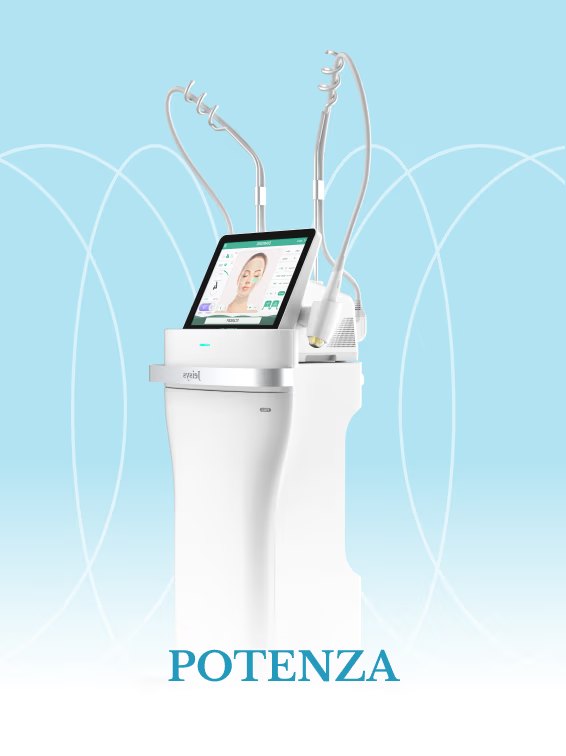
Gangnam dermatology practices offer comprehensive treatment portfolios spanning medical and cosmetic dermatology. Laser treatments are particularly advanced, including picosecond lasers for pigmentation (melasma, age spots, post-inflammatory hyperpigmentation), fractional CO2 lasers for acne scarring and skin resurfacing, and vascular lasers for rosacea and spider veins. Acne management combines prescription medications with chemical peels, LED phototherapy, and extraction procedures. Body contouring treatments such as cryolipolysis, radiofrequency skin tightening, and injectable lipolysis address localized fat deposits. Hair restoration treatments including PRP (platelet-rich plasma) therapy, mesotherapy, and low-level laser therapy are increasingly popular. Medical dermatology services treat conditions like psoriasis, eczema, vitiligo, and skin cancer screening. Scar revision using subcision, microneedling with radiofrequency, and laser protocols addresses surgical, traumatic, and acne scars.
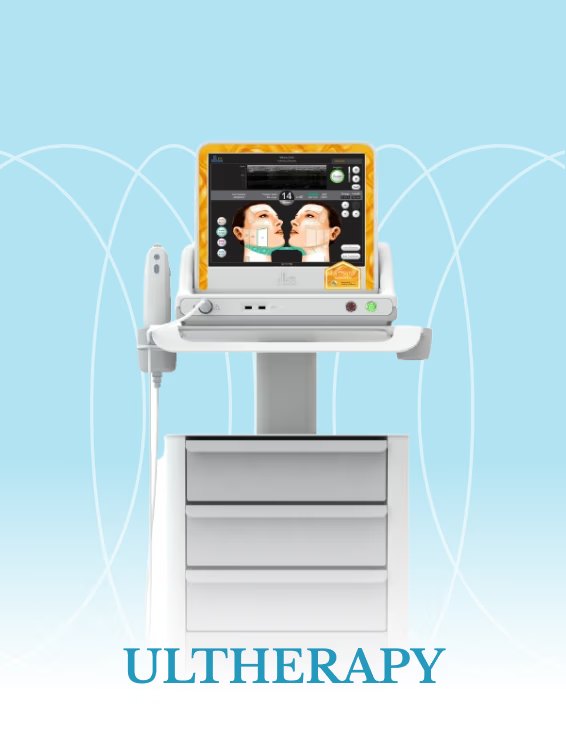
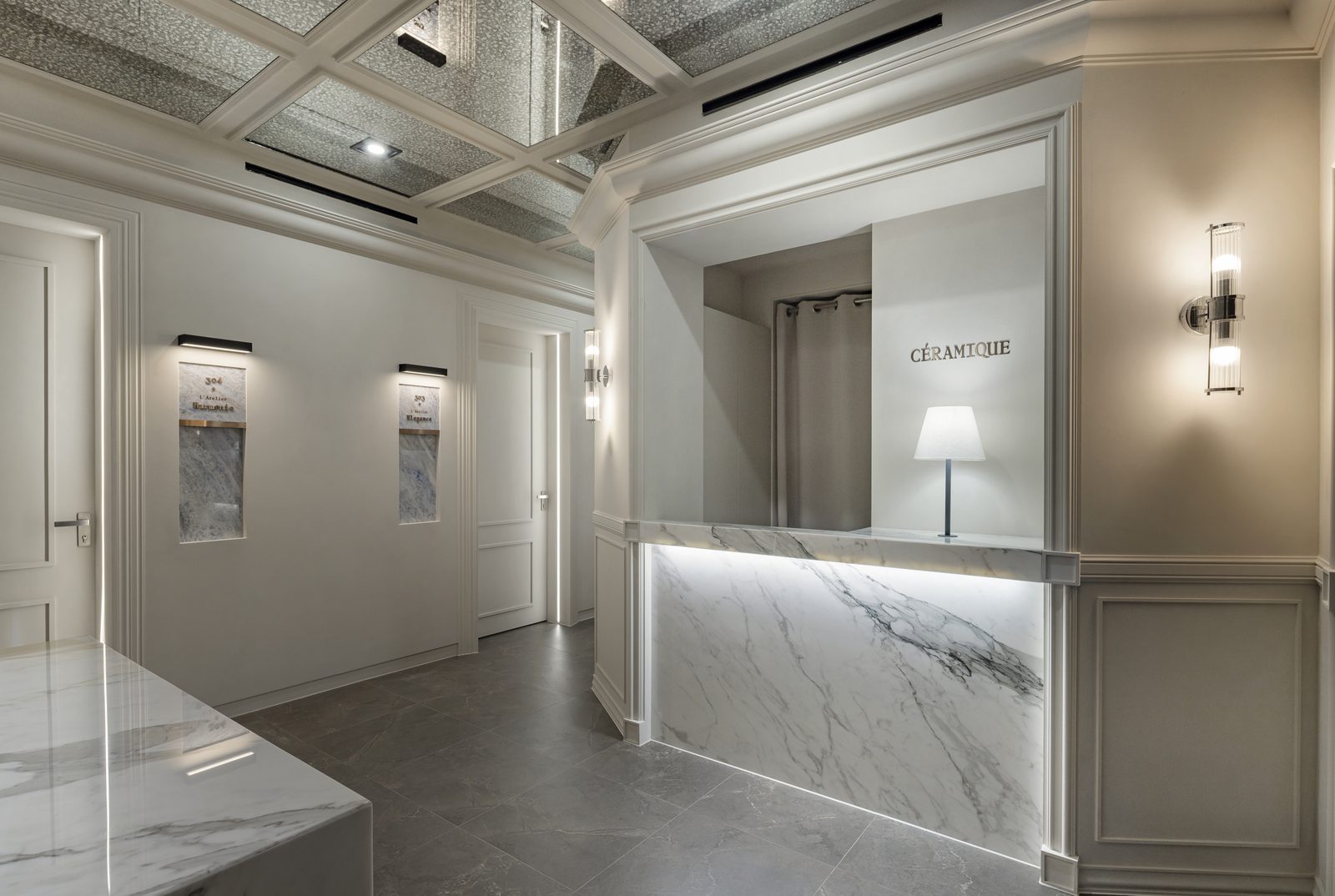
Read aboutUltherapy Prime at CÉRAMIQUE Gangnam
English Language Support and Communication Considerations
Language barriers represent significant concerns for international patients seeking dermatology treatments in Gangnam. While many practices advertise English-speaking services, the level of fluency varies considerably. During initial contact, assess communication quality by requesting written treatment plans and consent forms in English—well-prepared facilities maintain translated documentation. Verify whether English consultation occurs with the actual doctor or through an interpreter, which affects nuanced discussions about expectations and concerns. Some facilities employ international patient coordinators fluent in English, Mandarin, or other languages who facilitate communication but may lack medical training to accurately translate complex skin concepts. Request video consultations before traveling to assess communication comfort levels and the doctor’s understanding of your concerns. Bring reference photos showing desired outcomes, as visual communication transcends language barriers. For consent forms, ensure English versions accurately reflect Korean originals—discrepancies could affect legal protections. Medical terminology translation requires precision; misunderstandings about procedural techniques, expected downtime, or potential complications can lead to dissatisfaction. Some practices partner with medical tourism agencies providing professional medical interpreters throughout consultations and procedures. Document all communications in writing, including treatment plans, cost breakdowns, and post-procedure instructions.
Planning Your Dermatology Treatment Trip to Gangnam
Successfully planning dermatology treatments in Gangnam requires careful logistics coordination. Treatment timeline varies—some procedures like botulinum toxin require minimal downtime and single visits, while comprehensive acne scar protocols may necessitate multiple sessions over weeks. Contact practices 4-8 weeks before intended travel to schedule consultations and preliminary assessments, potentially via submitted photos and video calls. Many treatments require 3-7 days downtime for swelling and redness to subside before comfortable public appearance, affecting accommodation planning. Book lodging near Gangnam Station or Sinsa Station for easy access to medical facilities—many hotels cater to medical tourists with recovery-friendly amenities. Seoul’s efficient public transportation enables easy navigation, though some patients prefer pre-arranged transportation for procedure days. Schedule consultations early in your trip, allowing time for second opinions before committing to treatments. Korean medical practice typically provides same-day or next-day treatment after consultation, faster than Western scheduling norms. Plan follow-up timing carefully—many treatments require 2-4 week reassessment, potentially necessitating extended stays or coordinating with local doctors at home for monitoring. Purchase travel insurance that covers medical complications (most exclude cosmetic procedures but may cover complications), and verify your regular health insurance’s coverage for treatment of adverse events upon return. Bring complete medical history documentation, current medications list, and previous treatment records to facilitate informed decision-making during consultations.
Read aboutGangnam Skin Clinic Guide: What to Know Before You Book
Post-Procedure Care and International Patient Follow-Up
Post-procedure care significantly affects treatment outcomes, requiring clear communication and planning for international patients. Before leaving Korea, obtain detailed written aftercare instructions in English, including product recommendations, activity restrictions, sun protection protocols, and warning signs requiring medical attention. Many Gangnam dermatology practices provide post-procedure skincare kits, but verify whether products can legally travel to your home country—some prescription ingredients face import restrictions. Understand the distinction between expected healing responses and complications requiring intervention; reputable practices provide photo guides showing normal healing progression. Schedule follow-up with a local doctor in your home country for monitoring, providing them with treatment details and product information. Some outcomes require weeks to months for full manifestation—laser treatments for pigmentation may show initial darkening before improvement, while filler results are immediate but settle over days. Establish realistic expectations about long-term maintenance; most cosmetic dermatology treatments require periodic repetition to maintain results. Photograph treatment areas before departure for comparison during healing. Keep all documentation including consent forms, treatment records, and receipts for medical expense deduction purposes and in case of complications. The Ministry of Health and Welfare maintains a medical tourism complaint system for international patients experiencing problems with Korean medical facilities, though resolution can be complex across jurisdictions.
Frequently Asked Questions
Are Gangnam dermatology treatments safe for international patients?
Consultation with qualified practitioners is essential to assess individual suitability and potential risks.
How much cheaper are dermatology treatments in Gangnam compared to Western countries?
Consultation is required for accurate quotes as prices vary by facility and individual treatment plans.
Do I need multiple trips to Seoul for dermatology treatments?
Treatment requirements vary—single procedures like botulinum toxin or fillers typically require one visit, while comprehensive protocols for acne scarring, pigmentation, or skin rejuvenation may need multiple sessions over weeks. Some patients schedule intensive treatment weeks combining multiple procedures, while others plan return visits. Virtual consultations before travel help determine necessary trip duration.
Will language barriers affect my treatment quality in Gangnam?
Language barriers can affect consultation quality and informed consent if not properly addressed. Select facilities with verified English-speaking doctors or professional medical interpreters, not just coordinators. Request written treatment plans and consent forms in English, and utilize video consultations before traveling to assess communication comfort levels.
Can I combine dermatology treatments with tourism in Seoul?
Many international patients combine treatments with Seoul tourism, but timing matters. Schedule treatments early in your trip allowing recovery time before intensive sightseeing, as most procedures require 3-7 days for visible swelling and redness to subside. Plan low-impact activities during recovery periods and avoid sun exposure as directed by your doctor.
What happens if I have complications after returning home?
Establish care with a local doctor at home who can monitor healing and address complications. Keep all treatment records and consent forms, and contact the Ministry of Health and Welfare’s medical tourism complaint system if issues arise with Korean facilities.
Are Korean dermatology products and techniques suitable for Western skin types?
During consultation, discuss your specific skin type, concerns, and previous treatment responses to ensure appropriate protocol selection tailored to your individual characteristics.
How do I verify before-and-after photos are authentic?
Request to see comprehensive portfolios with consistent photography conditions and patients with similar skin types to yours. Ethical practices maintain extensive documentation of actual patient results and willingly discuss realistic expectations. Be cautious of limited or overly perfect portfolios, and cross-reference with verified patient reviews on independent platforms.
What payment methods do Gangnam dermatology clinics accept from international patients?
Wire transfers are sometimes accepted for expensive procedures but require advance planning. Payment is typically required upfront, and financing options are limited for international patients compared to local residents.