Pricing Verified: Korea Medical Tourism Desk | Sources: Multiple Clinic Consultations
Gangnam’s three main medical corridors — Apgujeong, Cheongdam, and the Sinnonhyeon area near Gangnam Station — concentrate the highest density of internationally oriented skin clinics in all of Korea. Most English-speaking clinics in Gangnam maintain staff who can assist with booking, translation, and medical records in English, and same-day appointments are commonly available for straightforward consultations.
Costs for finding an English speaking doctor in Gangnam vary by clinic tier, procedure complexity, and the level of language support provided. Budget-oriented international patients can access quality care at mid-tier clinics along Gangnam-daero for relatively modest sums, while premium boutique clinics near Apgujeong Rodeo Street command higher fees for concierge-level English services. Understanding the pricing landscape before you arrive helps you allocate your medical travel budget effectively and avoid unnecessary upcharges for basic translation assistance.
What to Expect at an English-Speaking Gangnam Dermatology Clinic
Most English speaking doctor clinics in Gangnam follow a structured patient pathway designed for international visitors. Upon arrival, reception staff will typically hand you an intake form available in English, Chinese, and Japanese. Many top clinics use Visia Complexion Analysis or similar AI-powered tools to quantify skin condition before recommending a treatment plan. The reports that Korean dermatology clinics consistently rank among Asia’s highest for equipment investment and procedural safety standards.
Language Support and Communication Standards
English fluency levels vary considerably across Gangnam’s 200-plus dermatology clinics. Tier-one clinics typically employ at least one fully bilingual physician, while smaller clinics may rely on a bilingual coordinator or nurse to assist during consultations. When booking, always confirm directly whether the physician speaks English or whether interpretation support is provided, as the distinction matters for treatment discussions involving your medical history, allergies, or contraindications. For guidance on finding internationally oriented skin clinics across Seoul’s neighborhoods, offers curated listings with language support ratings.
Procedures Most Commonly Requested by International Patients
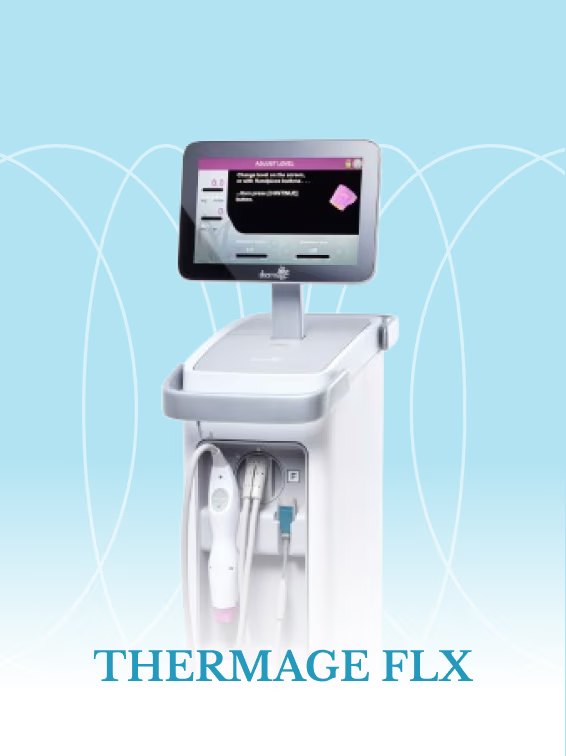
International patients visiting English speaking doctors in Gangnam most frequently request combination skin treatments addressing hyperpigmentation, acne scarring, and skin texture refinement. Melasma treatment using laser toning combined with topical hydroquinone or tranexamic acid is particularly popular among patients from Southeast Asia and the Middle East. Foreigners seeking anti-aging solutions frequently opt for Thermage FLX, Ultherapy, or HIFU alongside Botox and filler for comprehensive facial rejuvenation. Patients interested in exploring the full spectrum of Gangnam’s skin offerings can find additional context in this. Medical tourism-focused clinics near Cheongdam also offer hair loss treatment programs, rosacea management, and customized skin care regimens designed for patients with limited follow-up time.
Frequently Asked Questions
Can foreigners access dermatology clinics in Gangnam without a Korean ID?
Foreigners can visit Gangnam dermatology clinics using their passport as identification. You do not need a Korean health insurance card, as most international patient services are priced on a self-pay basis. Clinics experienced with foreign patients will have intake procedures that accommodate overseas visitors.
How do I book an appointment with an English speaking doctor in Gangnam?
Many clinics also accept walk-in consultations for non-urgent skin concerns. It is advisable to confirm the physician’s English proficiency when booking and to note any allergies or medications in advance.
Are there English-speaking clinics for dermatology in Gangnam near subway stations?
Several well-regarded English-language dermatology clinics are located within walking distance of Gangnam Station (Line 2), Apgujeong Rodeo Station (Bundang Line), and Cheongdam Station. These clusters offer the highest concentration of internationally oriented clinics in Seoul.
How long does a typical dermatology visit in Gangnam take?
A standard consultation plus single treatment session usually takes between 60 and 120 minutes. Same-day procedures are common for non-invasive treatments such as laser toning, injectables, or chemical peels..
Is Korean dermatology better than in other countries?
Korean doctors are internationally recognized for expertise in laser-based skin treatments, pigmentation management, and minimally invasive rejuvenation. Korea’s high density of specialized dermatology clinics, competitive pricing, and adoption of advanced technology make it a leading destination for skin care medical tourism compared to many Western countries.
Does health insurance cover dermatology treatments at Gangnam clinics?
Cosmetic dermatology treatments are not covered by Korean National Health Insurance and are priced on a self-pay basis. Medical dermatology visits for conditions such as eczema, psoriasis, or infections may qualify for partial insurance coverage, but foreign visitors without Korean health insurance will pay out-of-pocket for all services.
How many sessions are typically needed for skin treatments in Gangnam?
Session counts vary by treatment type. Laser toning for melasma typically requires five to ten sessions spaced two to four weeks apart. Rejuran Healer injectables are often recommended in a series of three to four sessions. Botox and fillers usually deliver results from a single session. Your consulting doctor will design a treatment schedule based on your skin condition and available time in Korea.
What are the risks or side effects of laser treatments at Gangnam clinics?
Common side effects for laser treatments include temporary redness, mild swelling, and increased skin sensitivity, which typically resolve within 24 to 72 hours. Risks of post-inflammatory hyperpigmentation are higher for darker skin tones (Fitzpatrick types IV–VI), and reputable English-speaking clinics in Gangnam will conduct a thorough skin assessment before treatment to minimize this risk.
Do I need a medical visa to visit a doctor in Gangnam?
Most nationalities do not require a medical visa for standard outpatient dermatology consultations. If you plan an extended medical stay for multiple treatment sessions, confirm entry requirements with the Korean embassy in your home country..
What aftercare is recommended after skin treatments in Gangnam?
Post-treatment aftercare typically involves strict sun protection using SPF 50+ sunscreen, gentle moisturizing, and avoidance of active ingredients such as retinoids or AHAs for five to seven days. Most clinics will provide a written aftercare protocol in English and recommend specific skincare products available for purchase at the clinic or nearby pharmacies.
How long do dermatology treatment results last in Korea?
Result longevity depends on the treatment type. Dermal fillers persist for six to eighteen months depending on product and injection site. Laser resurfacing results for acne scars or pigmentation can last one to three years with proper sun protection. Rejuran Healer skin quality improvements typically remain visible for six to twelve months.
What is the best district in Seoul for English speaking dermatology?
Gangnam remains the premier district, with Apgujeong and Cheongdam offering the highest concentration of English-speaking doctors. Itaewon-adjacent clinics also cater significantly to foreign patients. For patients staying in central Seoul, clinics near Myeongdong and Hongdae also offer English-language skin services, though at slightly lower specialty depth than Gangnam.
How long should I stay in Seoul for a comprehensive dermatology program?
For a single treatment visit, one to three days is sufficient. Patients pursuing a multi-session laser or injectable program should plan for a minimum of one to two weeks to allow for initial treatment, assessment of skin response, and at least one follow-up session. A two-week stay allows for a meaningful treatment sequence with adequate recovery intervals.
Read aboutThermage FLX at CÉRAMIQUE Gangnam
Read aboutHow to Choose a Skin Clinic in Gangnam