Whether you’re considering laser treatments, injectables, or advanced acne therapy, understanding these fundamentals will help you make informed decisions and maximize the value of your medical tourism investment.
Popular Skin Treatments and Proven Efficacy
Laser Treatments: Technology and Results
Korean doctors have refined protocols specifically for Fitzpatrick skin types III-V, addressing hyperpigmentation risks that often complicate laser treatments in darker skin tones.
Injectable Treatments: Botulinum Toxin and Fillers
Korea accounts for the highest per-capita consumption of botulinum toxin globally, driving innovation in micro-dosing techniques and dilution protocols that achieve natural results favored by international patients. Gangnam clinics exclusively use KFDA-approved products including Botox, Dysport, and Korean-manufactured alternatives like Nabota and Coretox, which demonstrate equivalent safety profiles in clinical trials. Hyaluronic acid fillers follow similar standards, with doctors employing ultrasound-guided injection techniques to minimize vascular complications.
Acne Treatment Protocols and Scarring Solutions
Korean dermatology employs multi-modal acne treatment combining prescription medications, professional extractions, chemical peels, and laser therapy tailored to inflammatory vs comedonal presentations.
Scheduling and Logistics for International Patients
Consultation Process and Pre-Treatment Requirements
Initial consultations can typically be conducted via video conference, with doctors reviewing medical history, current skincare routines, and high-resolution photographs to develop preliminary treatment plans. In-person consultations before procedures are mandatory, usually scheduled on arrival day or one day prior to treatment. Patients should bring complete medical records, list of current medications, and previous treatment documentation. Some procedures require pre-treatment preparation including sun avoidance, discontinuation of certain medications, or pre-procedure skincare regimens that may need to begin 2-4 weeks before arrival.
Treatment Timeline and Recovery Periods
Non-invasive treatments like botulinum toxin injections, light chemical peels, and laser toning require minimal downtime, making them suitable for short medical tourism trips of 3-5 days. More intensive procedures including fractional CO2 laser resurfacing, deep chemical peels, or acne scar revision require 7-14 day recovery periods with visible peeling, redness, and social downtime. Korean doctors provide detailed day-by-day recovery protocols and can schedule follow-up assessments via telemedicine. Plan accommodations in proximity to clinics—Gangnam, Apgujeong, and Cheongdam areas offer medical-stay hotels with skincare-friendly amenities including humidifiers, specialized lighting, and post-procedure meal options.
Visa Requirements and Medical Tourism Support
Patients requiring extended stays for complex treatment protocols can apply for Medical Treatment Visas (C-3-3) through Korean embassies, requiring clinic invitation letters and treatment documentation.
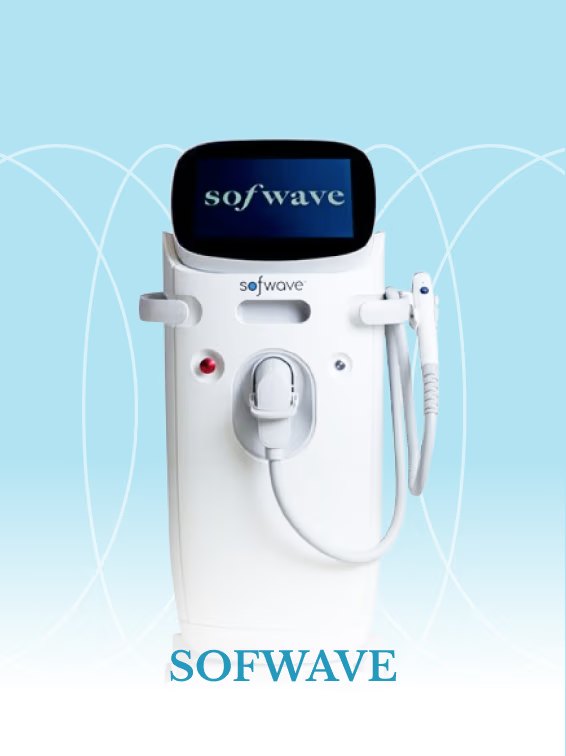
Read aboutSofwave at CÉRAMIQUE Gangnam
Post-Treatment Care and Follow-Up Protocols
Immediate Aftercare and Product Recommendations
Korean doctors provide comprehensive post-treatment protocols including prescription medications, medical-grade skincare products, and specific instructions for sun protection, cleansing, and moisturizing. Clinics typically include 1-2 weeks of essential aftercare products in treatment costs, with detailed application schedules and ingredient lists in English. Many clinics ship products internationally, though customs regulations and shipping costs vary by destination country.
Remote Monitoring and Telemedicine Follow-Up
Progressive Gangnam clinics utilize telemedicine platforms for post-treatment monitoring, requesting patients submit photographs at scheduled intervals (typically 1 week, 1 month, and 3 months post-procedure). Doctors review healing progress, adjust skincare protocols, and address concerns through video consultations included in treatment packages. Patients should clarify follow-up protocols before treatment and ensure clinics provide English-language communication channels with reasonable response times.
Managing Complications from Abroad
Reputable clinics provide 24/7 emergency contact information and maintain relationships with international doctors who can provide local care if needed. Treatment agreements should specify clinic responsibilities for complication management, including whether clinics cover costs for corrective procedures or coordinate care with providers in patients’ home countries. Purchase medical tourism insurance covering potential complications for additional protection.
Choosing the Right Gangnam Dermatology Clinic
Red Flags and Warning Signs
Be wary of facilities that cannot provide physician credentials, lack English-language treatment agreements, or refuse video consultations. Clinics operating primarily through aggressive social media marketing without established medical credentials or transparent pricing should raise concerns.
Read aboutEnglish-Speaking Skin Clinics in Gangnam: A Practical Guide
Frequently Asked Questions
Do Gangnam doctors speak English fluently?
Most doctors in Gangnam understand medical English but may not be conversationally fluent. Top-tier clinics employ dedicated English-speaking coordinators who translate during consultations and procedures, ensuring accurate communication of medical terminology, treatment plans, and aftercare instructions. Request information about language support when booking and consider clinics with certified medical interpreters for complex procedures requiring detailed discussion.
What is the minimum stay required for common dermatology procedures?
Injectable treatments, basic laser procedures, and light chemical peels can be completed in 2-3 days including consultation and treatment. Moderate procedures like intensive acne treatment or melasma protocols may require 5-7 days. Aggressive resurfacing treatments, scar revision, or combined procedures typically need 10-14 days accounting for initial healing and follow-up assessment. Doctors provide specific timeline recommendations based on individual treatment plans and recovery requirements.
Are Korean skincare products and techniques significantly different from Western approaches?
Korean dermatology emphasizes prevention, early intervention, and maintenance protocols rather than reactive treatment of advanced conditions. Techniques often involve gentler, incremental approaches with multiple sessions rather than single aggressive treatments. Product formulations frequently feature innovative ingredients like centella asiatica, snail mucin, and fermented extracts with clinical evidence supporting efficacy.
Can I get same-day appointments at Gangnam dermatology clinics?
Walk-in availability exists but is limited, particularly at renowned clinics where doctors may be booked 2-4 weeks in advance. International patients should schedule consultations and treatments at least 3-4 weeks before planned travel dates, with 6-8 weeks advance notice recommended during peak seasons (October-November and March-April). Some clinics reserve appointment slots specifically for international patients, offering more flexibility than domestic scheduling.
What happens if I experience complications after returning home?
Reputable clinics provide detailed complication management protocols including 24/7 emergency contact numbers, telemedicine consultation access, and coordination with doctors in your home country if needed. Treatment agreements should specify clinic responsibilities for complication management and whether corrective procedures are covered. Medical tourism insurance provides additional protection, covering local treatment costs for procedure-related complications within specified timeframes, typically 30-90 days post-procedure.
Are treatment results permanent or do they require maintenance?
Results longevity varies by procedure type. Botulinum toxin effects last 3-4 months requiring repeat treatments. Hyaluronic acid fillers maintain results for 6-18 months depending on product and injection site. Laser treatments for pigmentation or texture may provide lasting improvements but require sun protection and skincare maintenance to prevent recurrence. Acne treatment results depend on ongoing skincare protocols and may require periodic maintenance sessions. Doctors provide realistic timelines and maintenance recommendations during consultations.
Do I need to bring my own skincare products or can I purchase them in Korea?
Korean dermatology clinics provide necessary medical-grade products as part of treatment packages or available for purchase. Many clinics ship products internationally, allowing you to continue prescribed regimens after returning home.
Can I combine dermatology treatments with other medical procedures during one trip?
Many international patients combine skin treatments with other cosmetic procedures, dental work, or health screenings during single Korea trips. However, coordinate timing carefully—some combinations may be contraindicated or require extended recovery periods. Medical tourism facilitators can coordinate multi-specialty appointments, though booking directly with individual clinics often provides better pricing and communication.
What payment methods do Gangnam dermatology clinics accept?
Bank transfers are possible but require Korean bank accounts or international wire transfers with associated fees. Confirm accepted payment methods and any associated fees when receiving treatment quotes to avoid surprises.
Are there specific times of year best for visiting Gangnam for dermatology treatments?
Spring (April-May) and fall (September-October) offer ideal weather conditions with moderate temperatures and lower UV exposure beneficial for post-treatment healing. However, these are peak medical tourism seasons with higher accommodation costs and fuller clinic schedules. Winter months provide excellent treatment conditions for laser and resurfacing procedures due to reduced sun exposure, though cold, dry air requires diligent moisturizing. Summer should be avoided for aggressive treatments due to intense UV exposure and higher infection risks from heat and humidity, though non-invasive procedures remain suitable year-round.